
Yoga and Pilates for Back Pain: Safety Tips for Protecting Your Discs
If you are living with chronic back discomfort, low-impact exercise routines like yoga and Pilates can be wonderful tools to increase core strength, flexibility, and overall mobility. However, without proper precautions, certain poses can put excessive force on your delicate intervertebral discs, leading to increased pain, nerve aggravation, or further injury. At Central Texas Spine Institute in Austin, TX, our expert care team—led by trusted Austin orthopedic surgeon specialists, experienced spine doctor professionals, and leading spine specialist clinicians—is dedicated to helping you move safely and confidently. Whether you are recovering from an acute flare-up, managing sciatica, or seeking an effective degenerative disc disease treatment, protecting your spine during physical activity is paramount to your long-term health. Here are six crucial safety tips to keep your discs safe and protected while practicing yoga and Pilates. Get in touch today.
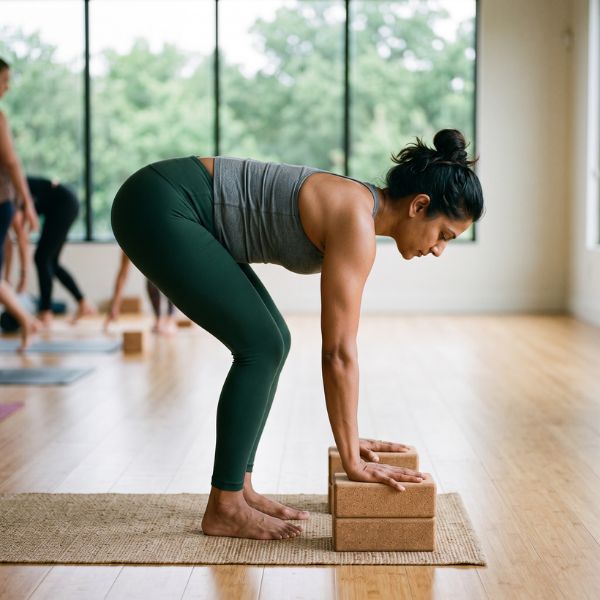
Avoid Deep Forward Lumbar Flexion
Rounding your lower back during forward bends—such as standing or seated forward folds—places immense pressure on the front portion of your lumbar vertebrae. This compressive force acts like a wedge, pushing disc material backward toward the spinal canal. If you have a herniated or bulging disc, this movement can directly aggravate nerve compression and trigger sharp, radiating pain. Always hinge directly at your hips, maintain a neutral spine, and keep a generous bend in your knees to keep pressure off your lower back.
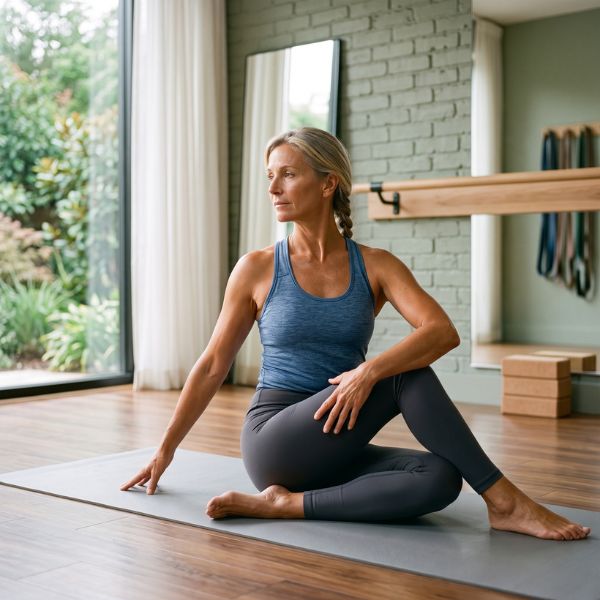
Modify Deep Twists and Excessive Rotation
Loaded spinal rotation, especially when combined with forward bending, exerts significant shear stress on the outer disc fibers (known as the annulus fibrosus). Before attempting intense torso twists, consult a qualified spine surgeon or physical therapist. When practicing twists, keep the movement subtle and gentle. Always lengthen your spine upward before beginning any rotation, and focus on initiating the turn from your mid-back (thoracic spine) rather than forcing movement through your vulnerable lower lumbar region.
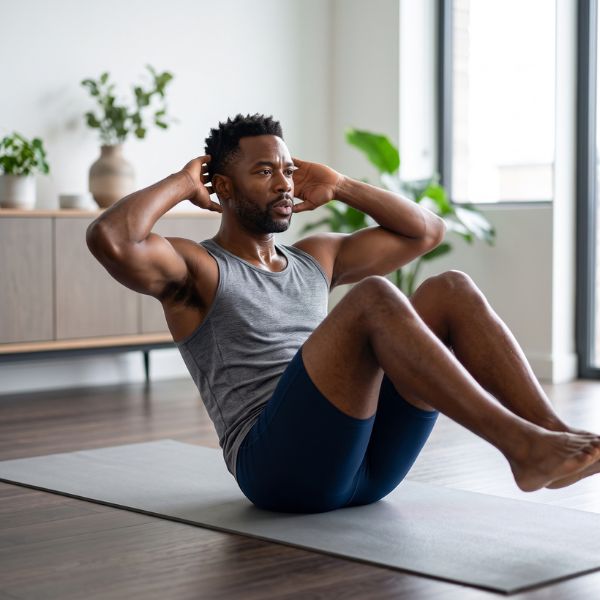
Focus on Neutral Spine and Core Stability
Pilates excels at strengthening the deep abdominal muscles, particularly the transversus abdominis, which acts as a natural supportive corset for your lower back. During your practice, always prioritize maintaining a neutral spine—a position where your back retains its natural, soft curve—rather than aggressively flattening your back against the floor or arching excessively. Properly engaging your deep core muscles stabilizes the entire spinal column and drastically reduces the axial load placed on injured discs during movement.
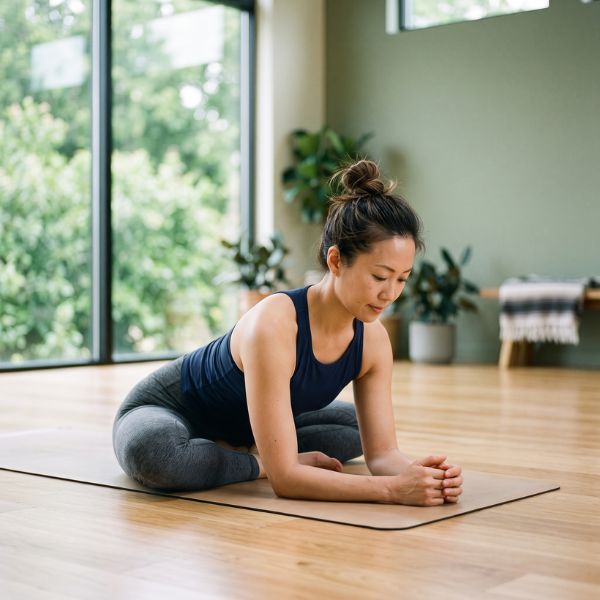
Skip Intense Hyperextension Exercises
Extreme backbends, such as the full wheel pose or deep Cobra pose, compress the posterior elements of your spine and squeeze the delicate facet joints. If you are currently undergoing spinal rehabilitation, aggressive backbending can do more harm than good. Instead, substitute extreme extension with subtle, fully supported movements. Options like the Sphinx pose or gentle Pilates cobra prep allow you to strengthen the back muscles safely while keeping your lower ribs resting comfortably on the mat.

Integrate Professional Care and Conservative Spinal Treatments
Exercise should complement your medical care, not replace it entirely. Working alongside an experienced back doctor ensures that your movement routine directly aligns with your specific clinical diagnosis. Integrating structured conservative spinal treatments—including guided physical therapy, targeted exercise modifications, and routine physical activity evaluation—provides a solid, evidence-based foundation for achieving long-term recovery, improving functional mobility, and obtaining lasting symptom relief.
Listen to Pain Signals and Explore Injections When Needed
Never attempt to push through sharp, pinching, or radiating pain. Sharp discomfort, tingling sensations, or numbness traveling down into your glutes or legs are clear warning signals of acute nerve irritation. If severe inflammation or muscle guarding prevents you from comfortably participating in rehabilitation or gentle exercise, discuss targeted spinal injections for pain with your medical team. Therapeutic epidural steroid injections can significantly calm surrounding nerve inflammation, effectively opening up a comfortable, pain-free window for you to engage safely in therapeutic movement.
GET STARTED TODAY
Yoga and Pilates can be truly transformative for strengthening your core, improving posture, and restoring functional mobility, but protecting your spinal discs requires mindful form, modified movements, and proper medical oversight. By respecting your body’s unique limits and avoiding high-risk postures, you can enjoy the healing benefits of low-impact exercise while keeping your spine secure. If you are dealing with persistent back pain or need personalized guidance on safe exercise practices, contact Central Texas Spine Institute in Austin, TX, today to schedule a consultation with our expert spine team!
