
Smoking and Your Spine: Why Nicotine is the Enemy of Spinal Fusion and Healing
Facing the prospect of lumbar surgery often means your mind is focused on the relief of chronic pain and returning to the activities you love. However, if you are a smoker, there is a hidden variable that can significantly dictate the success of your recovery. At Central Texas Spine Institute in Austin, TX, our goal as your spine specialist team is to ensure you achieve the best possible outcome.
Whether you are consulting with an Austin orthopedic surgeon or preparing for a complex back fusion surgery, understanding the biological impact of nicotine is vital. Nicotine isn’t just a habit; in the world of spinal care, it is a direct antagonist to bone growth and tissue repair. Get in touch today.
Increased Risk of Pseudoarthrosis
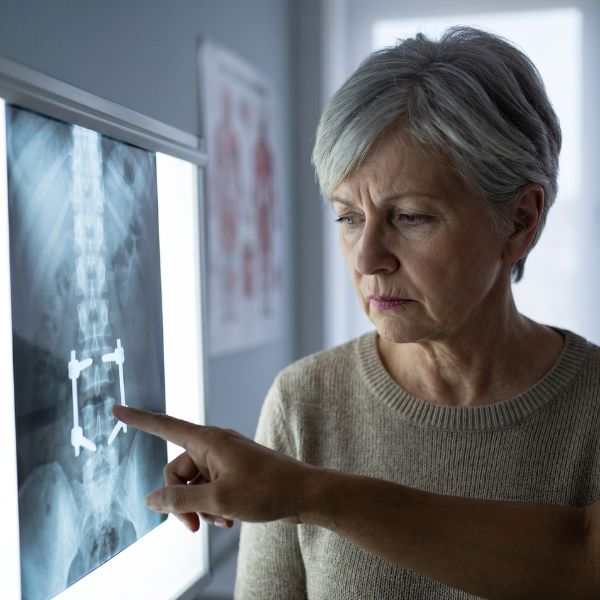
The primary goal of a lumbar fusion surgery is to join two or more vertebrae into a single, solid bone. When this fails, it is called pseudoarthrosis (a “false joint”). Research indicates that nicotine use significantly impairs this process, doubling the risk of fusion failure in some cases. Without a solid bridge of bone, the hardware used in your lumbar spine surgery can eventually fail, leading to continued pain and the need for revision procedures.
Constriction of Vital Blood Flow
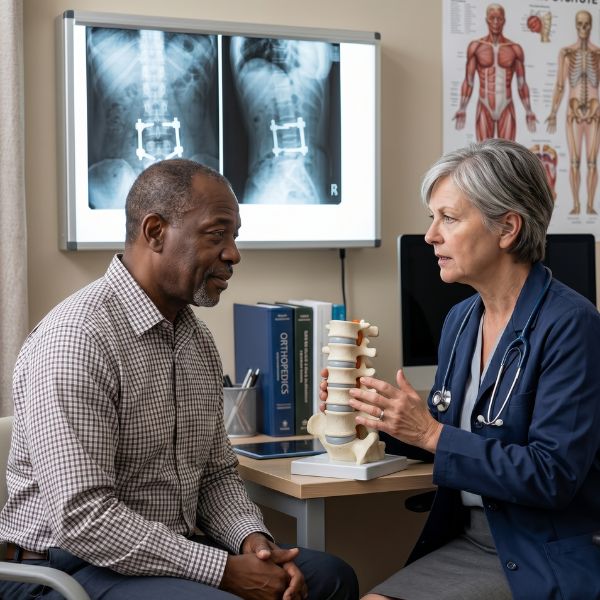
Nicotine is a potent vasoconstrictor, meaning it shrinks your blood vessels. For a spine surgeon to see a successful fusion, the surgical site needs a robust supply of oxygenated, nutrient-rich blood. By narrowing these pathways, nicotine starves the healing bone of the very “fuel” it needs to knit together, often leading to delayed healing or complete non-union.

Inhibition of Bone-Producing Cells
Your body relies on specialized cells called osteoblasts to create new bone. Nicotine has been shown to be toxic to these cells, effectively slowing their proliferation or killing them outright. When you are recovering from back fusion surgery, you need your osteoblasts working at maximum capacity. Nicotine puts them into a deep slumber, making it nearly impossible for a back doctor to achieve the desired fusion density.

Poor Wound Healing and Infection Risk
Beyond the bone itself, your skin and soft tissues must heal after lumbar surgery. Smokers are statistically more likely to experience wound complications, including skin necrosis and deep tissue infections. Reduced oxygen levels in the tissues make it easier for bacteria to take hold and harder for your immune system to fight back.

Interference with Pain Management
Many patients don’t realize that nicotine alters how they perceive and process pain. It can interfere with the effectiveness of certain analgesic medications, meaning you may require higher doses of pain relief following your procedure. As spine doctors, we want your recovery to be as comfortable as possible; nicotine makes that goal much harder to reach.
Accelerated Disc Degeneration
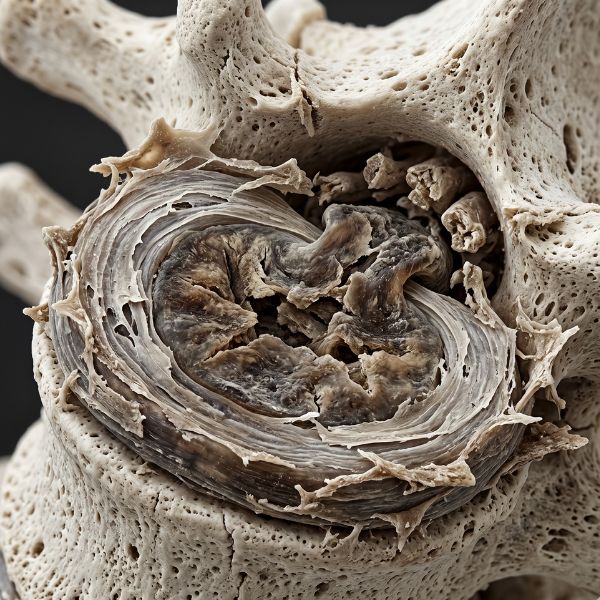
Even if you aren’t currently seeking surgery, smoking acts as a catalyst for spinal decay. It contributes to osteoporotic effects, increasing the porosity of your vertebral bone and thinning the structural integrity of your spine. This systemic weakening often leads to the very conditions—like degenerative disc disease—that eventually require the intervention of a spine specialist.
SCHEDULE A CONSULTATION TODAY
At Central Texas Spine Institute, we believe in a partnership between the spine surgeon and the patient. While we bring the technical expertise for your lumbar spine surgery, the environment you provide for your body determines the final result. Quitting nicotine is the single most impactful “surgical prep” you can do. By clearing your system of nicotine, you give your spine the oxygen and cellular energy it needs to heal, fuse, and finally get you back on your feet. Get in touch today.
